How to sublet your apartment in NYC
Subletting your New York apartment takes six steps: confirm what kind of tenancy you have, send your landlord a consent request by certified mail with the details § 226-b lists, decide the dates and a price from what comparable listings are asking, publish a listing with honest photos and a clear description, screen the renters who reply, and sign a short written agreement before taking a deposit. Allow about six weeks from the consent request to move-in.
Reviewed October 28, 2026 by the SubletNY team against the sources listed at the end.
Step 1: know which rules apply to you
A market-rate lease in a building of four or more units gives you the statutory right to sublet with consent. A rent-stabilized lease gives the same right with limits: primary residence, two years out of four, legal rent plus at most 10 percent if furnished. A co-op proprietary lease sends you to the board. A building of three or fewer units leaves it to the lease. Public housing does not allow it.
Step 2: request consent properly
Send the request by certified mail, return receipt requested, at least 30 days before the sublet, with the term, the subtenant's name and home and business address, your reason for subletting, your address during the sublet, the written consent of any co-tenant or guarantor, and a copy of the proposed sublease with a copy of your own lease attached. The landlord has ten days to ask for more information and thirty days to answer; no answer is consent. The consent letter guide has the full list.
Step 3: set dates and a price
Decide whether the sublet is for fixed dates or month-to-month with an open end, and whether you will take stays as short as 30 days. For the price, look at what rooms or apartments like yours are asking in your neighbourhood right now on the neighbourhood page and in the NYC Sublet Price Index; a market-rate tenant may charge what the market bears, a rent-stabilized tenant may not exceed the legal rent plus the furnished surcharge.
Step 4: write the listing
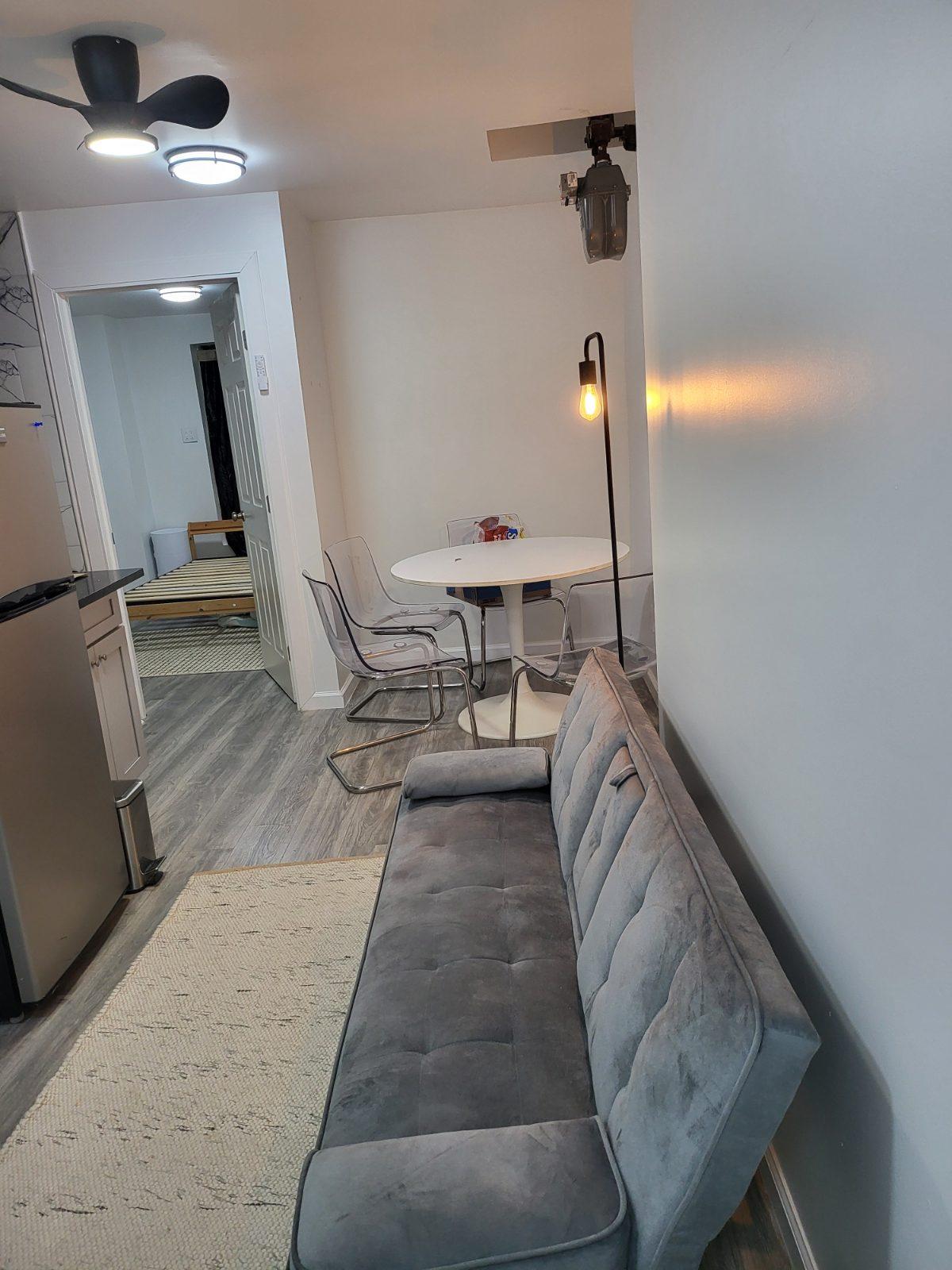
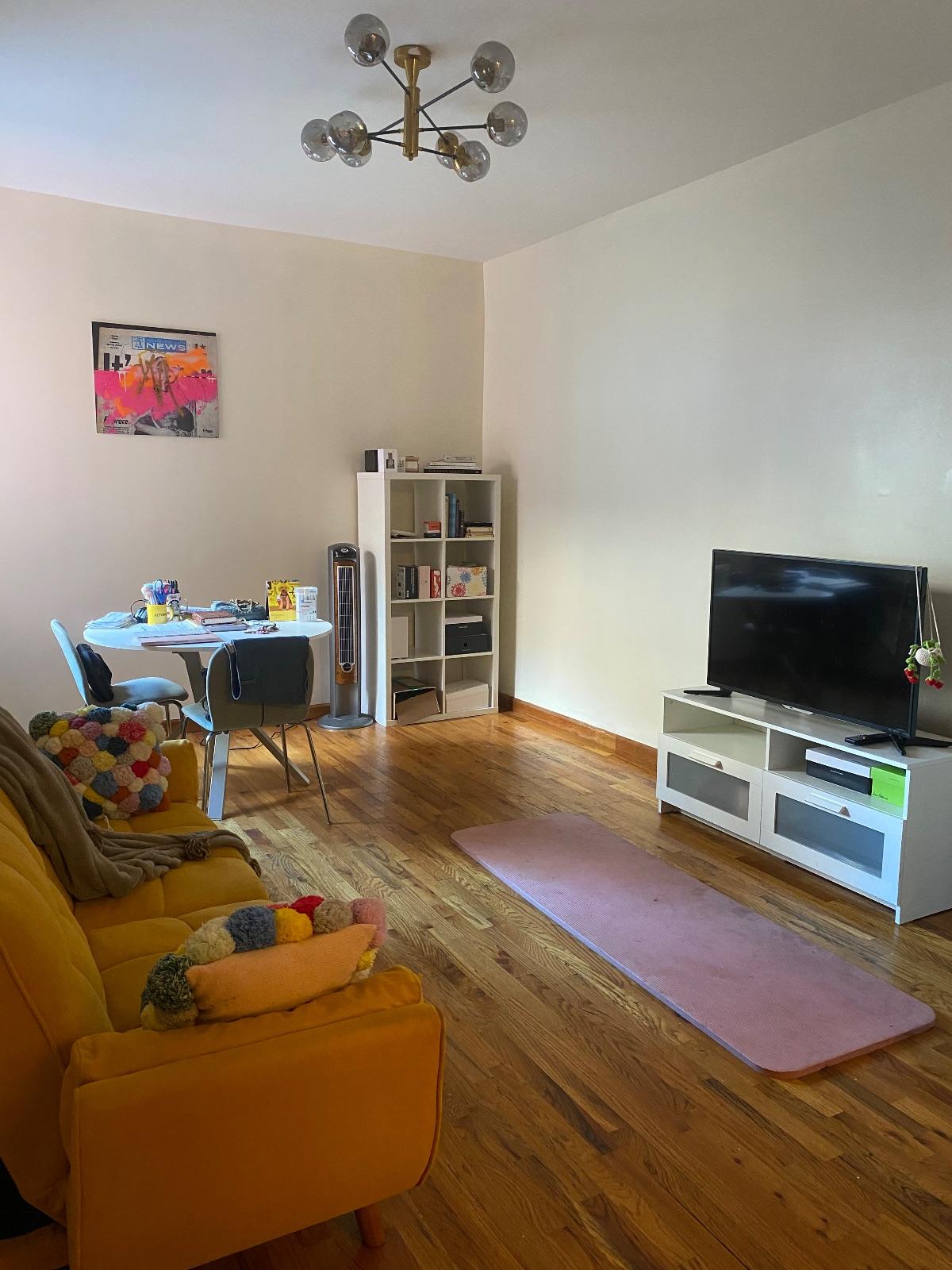
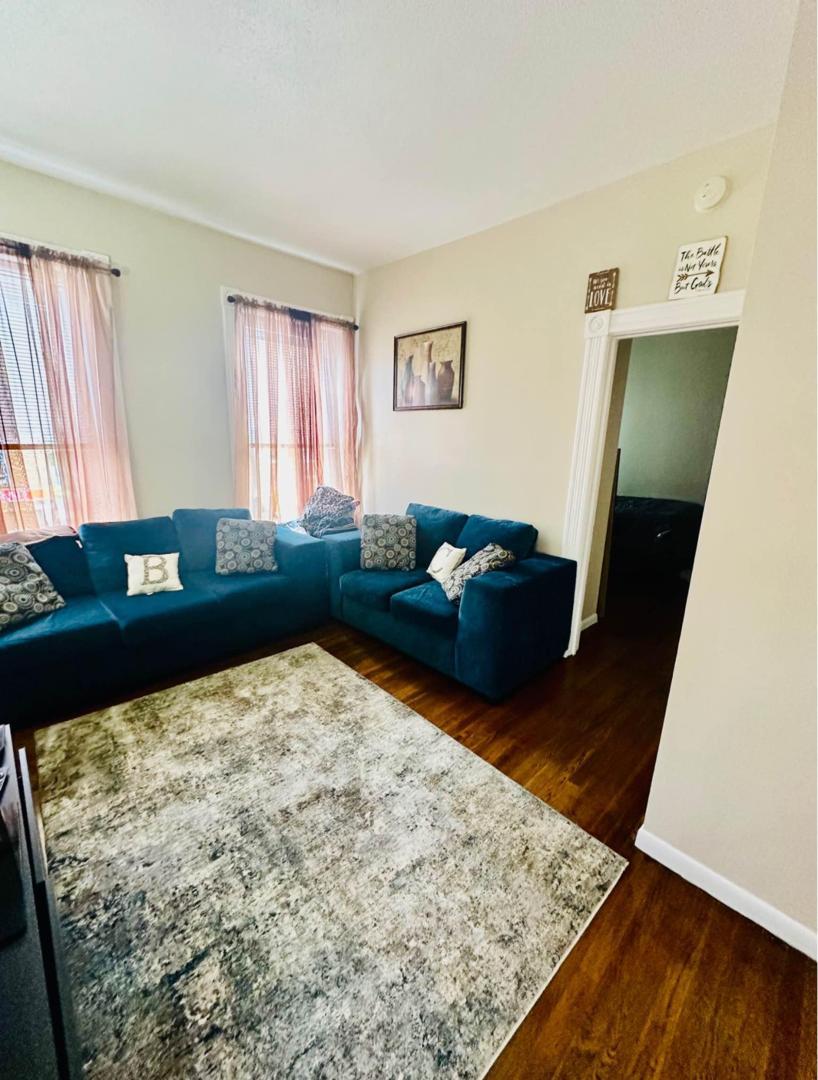
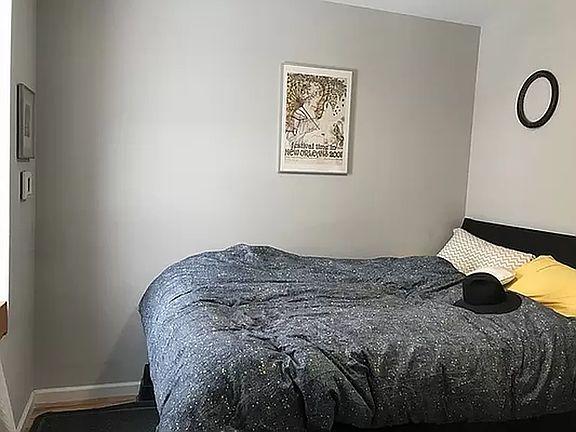
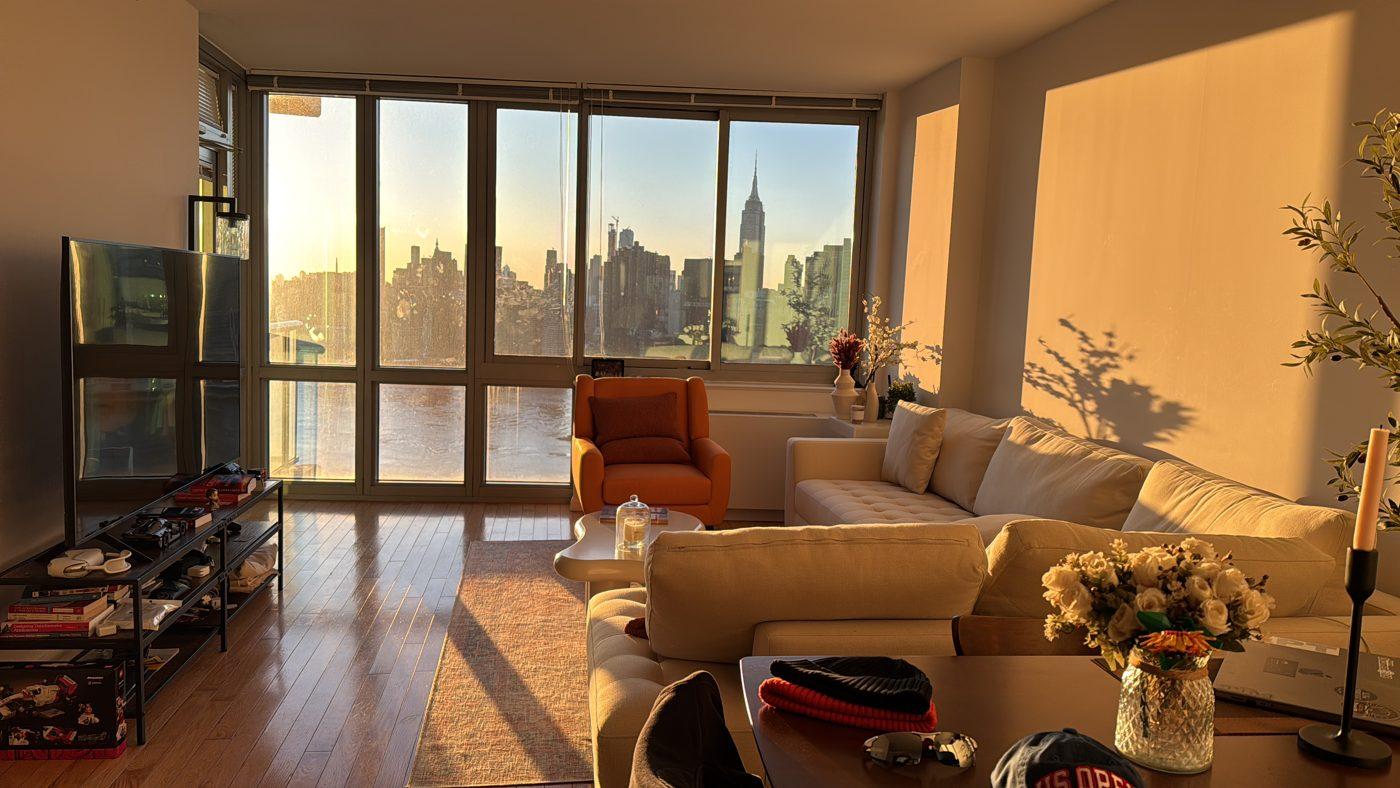
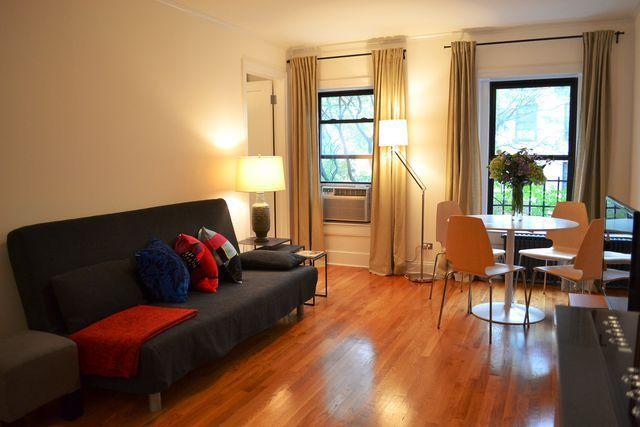
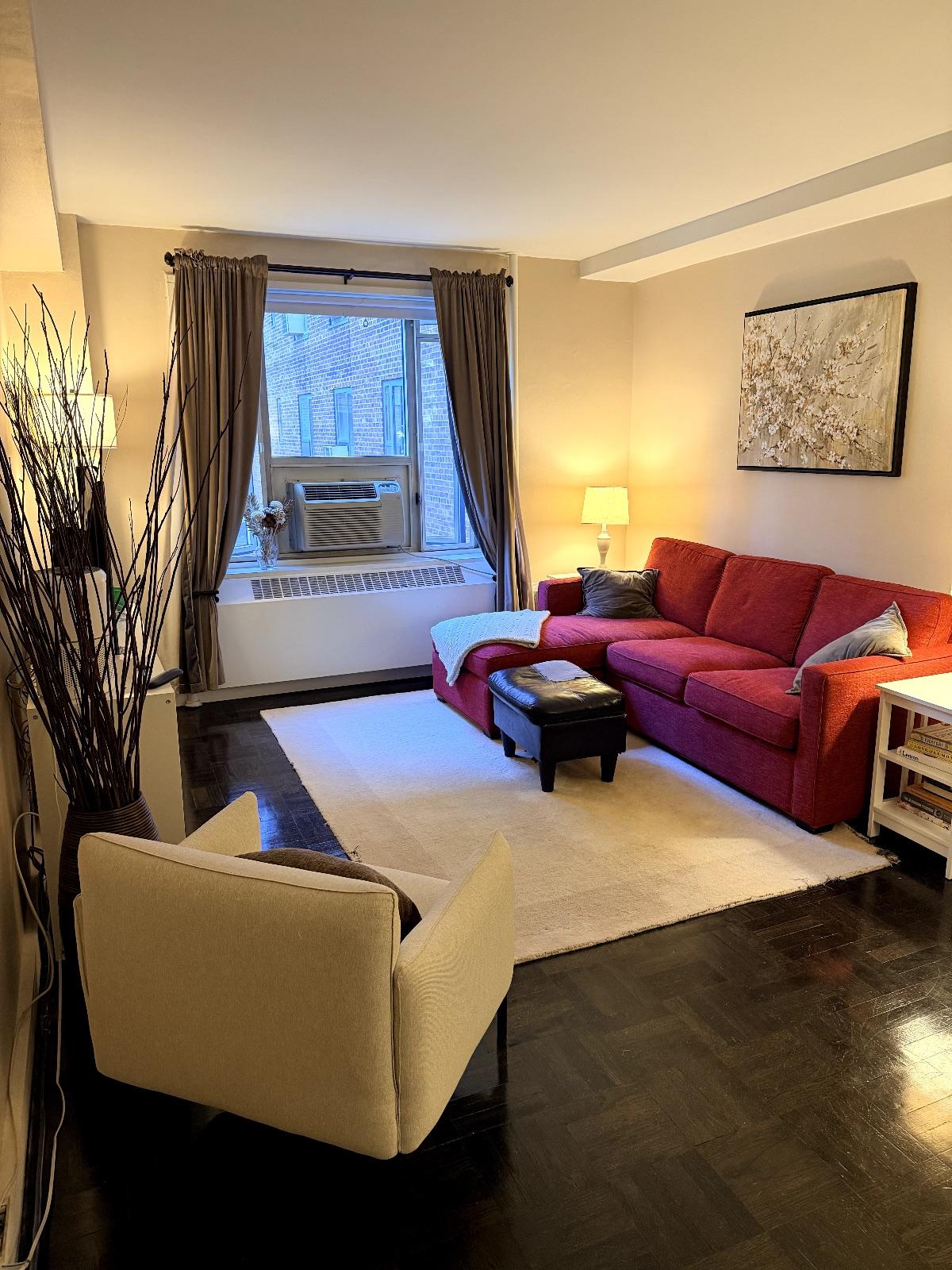
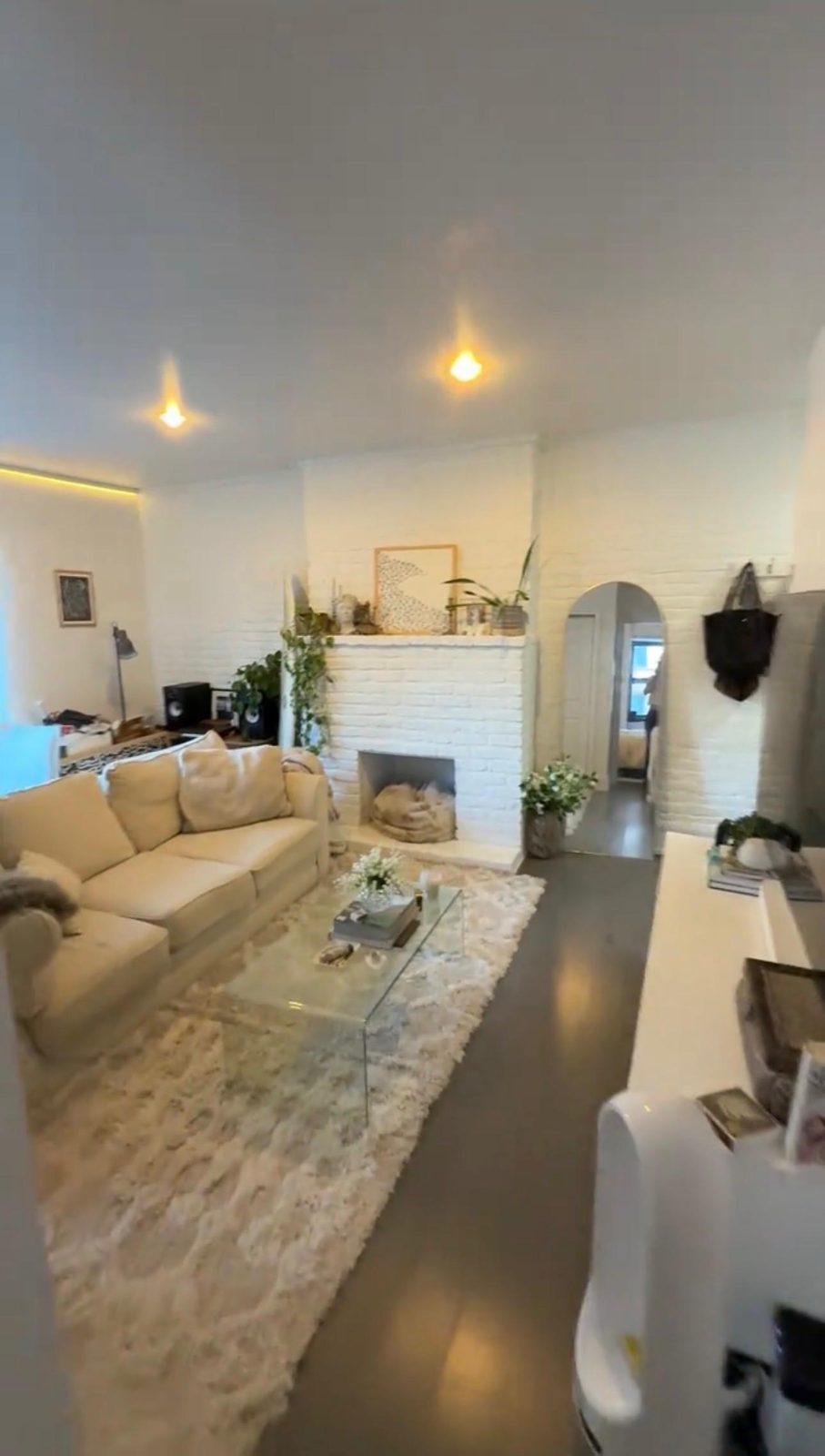
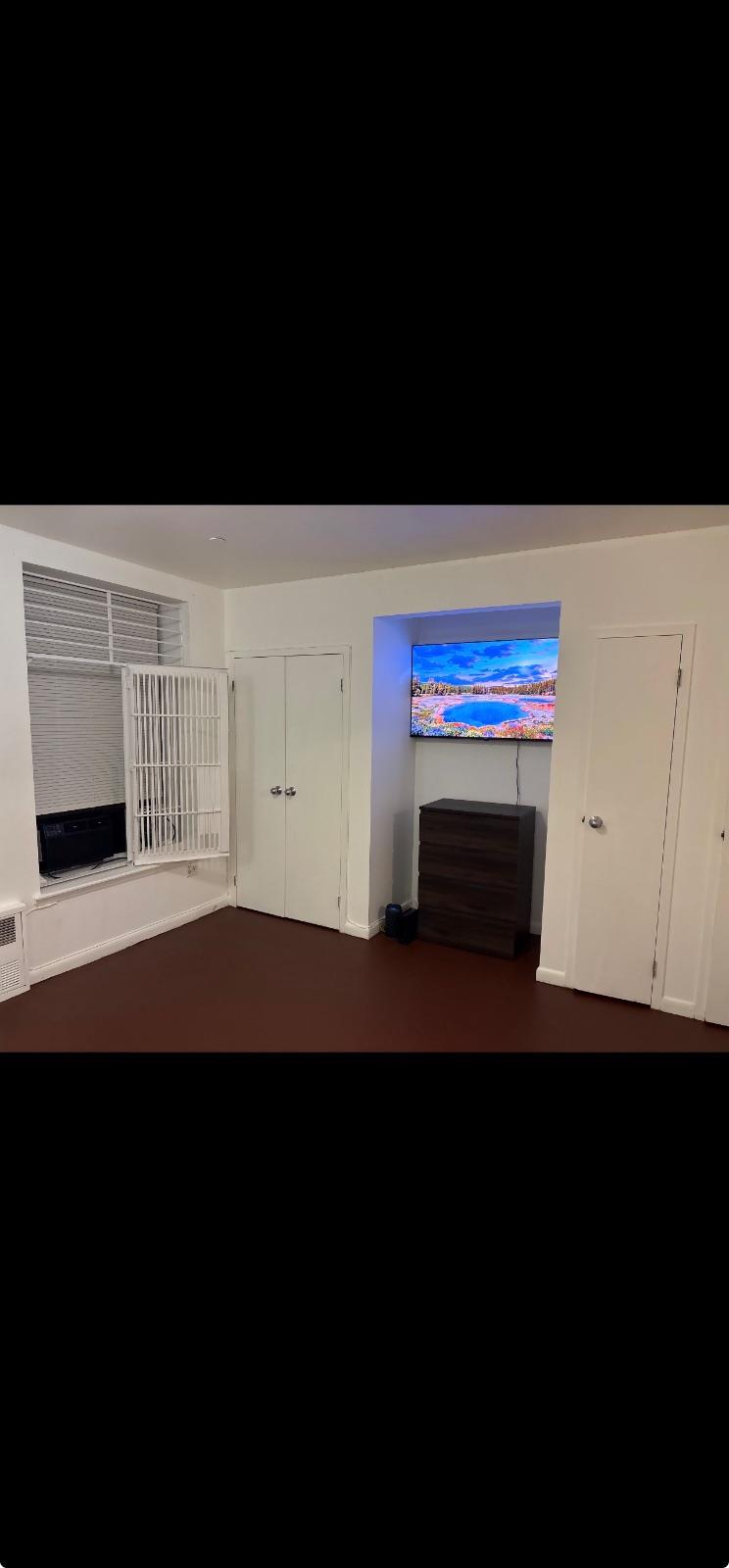
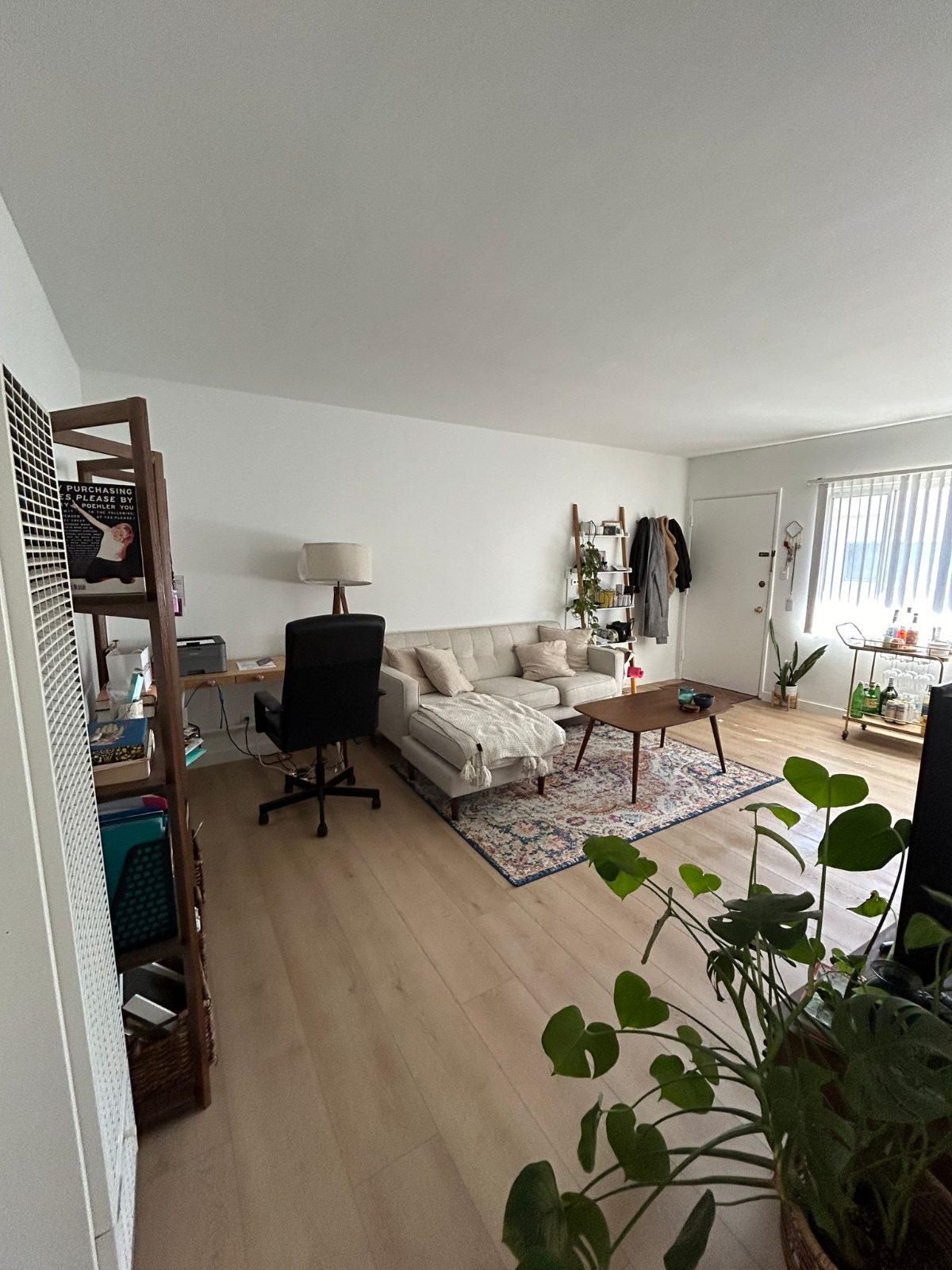
Lead with what the renter gets: the room or apartment, the dates, what is included (furniture, Wi-Fi, utilities, linens), the building (walk-up or elevator, laundry) and the nearest subway. Use daylight photos of every room and the view from the window. State house rules and whether pets are possible. The listing guide covers what to include and what gets a listing ignored.
Step 5: screen renters
Reply to messages with a short call or video call before anything else. Ask what brings them to the city and for how long, where they work or study, and for one reference. Never accept a deposit from someone you have not spoken with, and never pay anyone to "secure" a renter.
Step 6: put it in writing and hand over
Use a sublease that names both of you, the dates, the rent and when it is paid, the deposit and when it comes back, what is included, who fixes what, and the rule that the subtenant is bound by your lease. Take photos of the apartment on the day they arrive, agree on keys, and keep the landlord's consent with the agreement. This guide is general information from public sources, not legal advice; for a dispute, speak to a tenant lawyer or a tenant association.